Soft-body puzzles: guide a hungry goo with squishy blocks
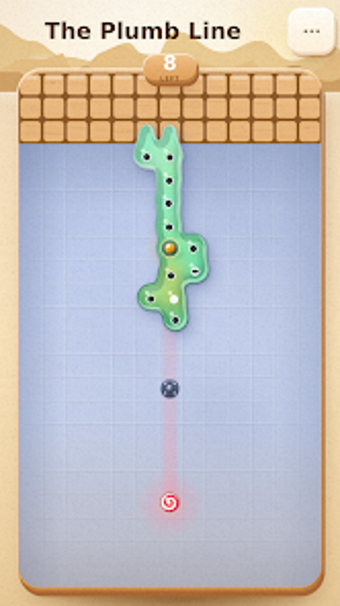
Slimbo, by Vlad Vlashchenko, is an Android puzzle that shares a tactile construction feel with World of Goo while centering on a squishy blob and malleable blocks. Players drop deformable, squishy blocks that bend and compress, using a soft-body physics engine to build bridges and paths so the character reaches its objective. The app emphasizes tactile interactions and minimalist visuals. It suits casual puzzle players and fans of physics-based logic challenges.
What kind of puzzle is the app?
The app plays as a logic-first, path-building puzzle that rewards careful placement rather than quick reflexes. Levels ask the player to arrange malleable objects to form temporary bridges and routes so the hungry blob reaches its goal, a loop driven by spatial reasoning and planning. This emphasis on strategic placement reflects the developer’s stated focus on logic-based level design and tactile interaction mechanics.
Does it have a multiplayer mode?
No, the title is primarily a single-player, offline experience, so its puzzles are tuned for solo problem solving and self-paced sessions. Internet access is limited to initial download and updates. The Android package needs about 118 MB of storage, keeping the install size compact for mobile play while leaving room for other apps on typical devices.
What does the game look and feel like?
The presentation favors a clean, distraction-free minimalist interface that keeps the playfield front and center. Simple shapes and clear contrast make deformation and placement readable during each attempt, and the touch-driven interactions place emphasis on tactile satisfaction rather than visual spectacle. The content rating of Everyone matches the non-violent, logic-based design, making the presentation accessible across age groups.
How steep is the learning curve?
Progression leans into gradual escalation: stages introduce fresh environmental challenges that require adapting placement strategies. The design encourages hands-on trial and error, so players learn by experimenting with block position and timing rather than through layered tutorials. The developer’s earlier physics puzzle work, including Crumble Loop and Helix Rush, shows a consistent approach that benefits players familiar with iterative, physics-driven problem solving.
In summary: a tactile puzzle for patient, solo puzzlers
In summary, the app is a patient, tactile puzzle that suits players who enjoy deliberate spatial problem solving and experimental placement. It rewards methodical thinking more than fast reactions, making it a good match for solo sessions and short plays. Players seeking competitive or cooperative multiplayer experiences should look elsewhere, since the design centers on individual, offline puzzle solving rather than social modes.